Social Planning Infographic Templates for Modern Brand Design
As a brand designer with years of experience working with local businesses, I’m always on the lookout for design assets that can help small brands communicate their story more effectively. When I first reviewed Social Planning Infographic Templates, I was immediately drawn to its clean, structured approach and the way it visually simplifies complex processes. It’s clear this is a collection built for clarity — perfect for businesses that want to showcase steps, timelines, or workflows in a professional yet accessible way.
A Fresh Look That Suits Small Business Branding Needs
The mood created by these templates is modern and methodical. They suggest a brand personality that values transparency, efficiency, and user-friendly communication. If you’re designing visuals for a local bakery that wants to explain how its sourdough is made, a handmade soap business detailing its natural ingredients, or a florist outlining the flower delivery process, this asset could be a game-changer.
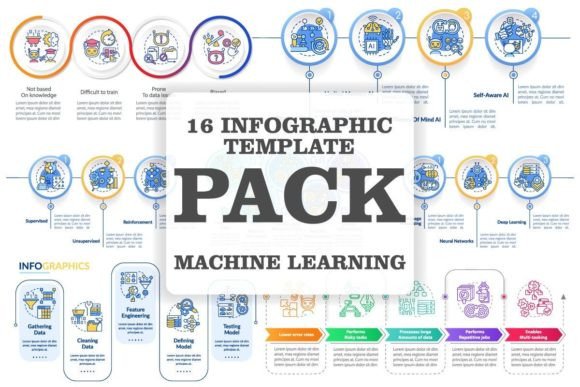
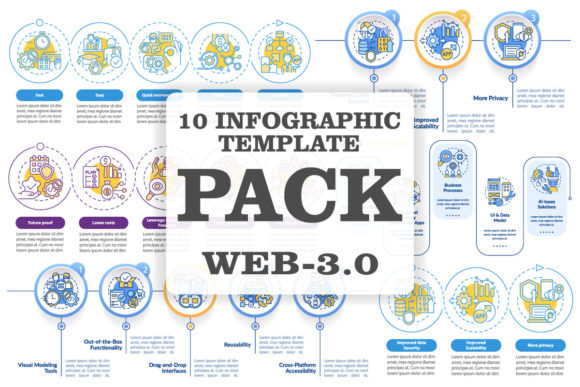
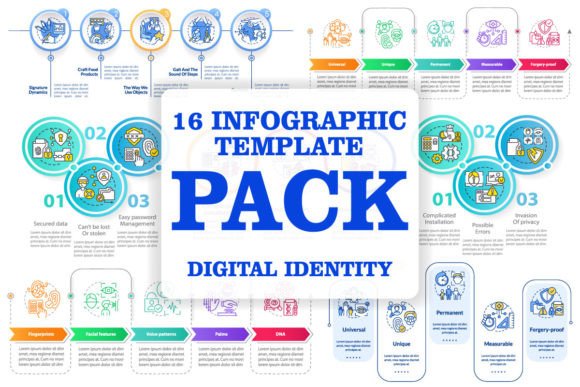
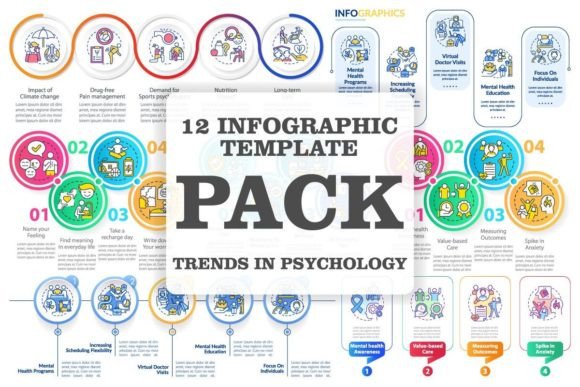
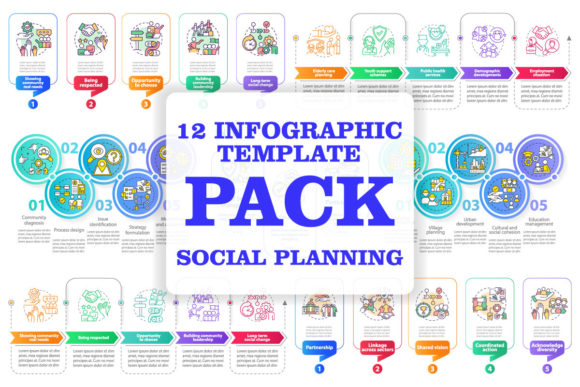
What stood out to me was the use of line icons and minimal color palettes. The fonts — Myriad Pro-Bold and Lato-Bold — are crisp and legible, making them ideal for both digital and print formats. While the overall look isn’t overtly decorative, it still manages to feel polished and intentional, which supports a strong sense of professionalism without overwhelming the viewer.
Practical Applications in Local Business Design
Social Planning Infographic Templates offer a surprising amount of versatility. Here’s how they can be applied across different areas of small business branding:
- Product Labels: Use the step-by-step layout to break down how your product is crafted or used. A candle brand, for example, could show the creation process from sourcing soy wax to final labeling.
- Packaging Accents: Incorporate timeline elements as subtle accents on boxes or bags, especially if your product has a unique backstory or artisanal process.
- Menu Graphics: For coffee shops or boutiques offering custom services, these infographics can guide customers through options or service steps clearly and stylishly.
- Social Media Campaigns: Whether you're sharing behind-the-scenes content or educational posts, these graphics provide a consistent visual language that aligns well with brand identity.
- Promotional Flyers and Posters: The structured nature of the infographic makes it easy to highlight key features or benefits in a digestible format.
Enhancing Visual Hierarchy and Brand Consistency
One of the most valuable aspects of this design asset is how it helps establish a clear visual hierarchy. By organizing information into sequential steps or timelines, the template naturally guides the viewer’s eye and emphasizes what matters most. This is particularly useful for businesses like home decor shops or children’s product brands that need to convey safety instructions, care tips, or assembly steps in an engaging manner.
Consistency is another strength. Using the same icon style and font pairings throughout various materials — from packaging labels to website banners — reinforces brand recognition. Even if your logo doesn’t match the template’s aesthetic directly, the design elements can easily be adapted to suit your brand's tone while maintaining a cohesive look.
Where These Infographics Shine
I found myself imagining multiple real-world applications where Social Planning Infographic Templates would work beautifully:
- Hero Graphics for Product Pages: Showcase the journey of your product in a few simple steps, building trust and interest.
- Printable Inserts: Include a mini infographic in your product box or bag to educate customers about your brand’s mission or sustainability efforts.
- Seasonal Campaigns: Create festive timelines for holiday preparations, gift wrapping, or event planning, giving your marketing a fresh and organized edge.
- Boutique Store Displays: Use the workflow layout in-store signage or window displays to explain how your products are curated or sourced.
- Digital Marketing Materials: Apply the template to social media posts, email headers, or landing pages to maintain a modern, informative tone across all channels.
These templates are especially suited for businesses that thrive on storytelling and transparency. A skincare brand might use the infographic to outline a skincare routine, while a food label designer could present ingredient sourcing or preparation methods in a compelling way.
Where to Use Them Carefully
While Social Planning Infographic Templates are highly functional, there are some scenarios where they may not be the best fit:
- Formal Corporate Branding: The playful and data-driven style may clash with a more traditional or high-end corporate image.
- Very Small Labels: The detailed icons and text require enough space to remain legible and effective.
- Crowded Packaging Designs: If your packaging already includes a lot of information or illustrations, adding an infographic might lead to clutter.
- Ingredient-Heavy Layouts: In cases where large blocks of text (like nutritional info or legal disclaimers) are necessary, the infographic’s structure may not provide enough flexibility.
- Luxury Minimalist Brands: The slightly decorative nature of the icons and layout could disrupt a clean, luxury aesthetic.
- Low-Contrast Backgrounds: The colors and lines may lose visibility if placed over soft or textured surfaces.
In these instances, it’s important to evaluate whether the infographic enhances or distracts from the main message. Always test it alongside other design assets before committing to a full rollout.
Designer Notes: How to Get the Most Out of This Asset
If you're considering using Social Planning Infographic Templates in your next project, here are some practical insights based on my experience:
- Test on Real Mockups: Import the graphic into actual product mockups or label templates to see how it scales and fits within the design context.
- Check Black and White Usage: Since many local businesses rely on black-and-white printing for cost reasons, ensure the infographic remains readable in grayscale.
- Preview on Small Labels: See how the layout behaves when resized for hang tags or stickers. Will the icons stay clear? Can the text still be read at a glance?
- Use With Caution on Crowded Layouts: Avoid placing the infographic in areas where too much text or imagery already exists. Prioritize white space for better readability.
- Test With Your Brand Colors: Swap out the default palette to reflect your brand identity. Does the infographic still stand out and function well with your chosen hues?
- Review PNG Transparency: If using the PNG version, check how the transparent background interacts with your design. Sometimes unexpected shadows or outlines can appear.
- Inspect SVG or Vector Editability: If you need to customize individual elements, confirm that the file format allows for easy editing without distorting the original design.
- Compare With Competitor Packaging: Ensure the infographic adds value rather than blending in with similar designs from nearby businesses.
- Test Beside Other Fonts: Try placing the infographic beside serif, script, or handwritten fonts to see if it complements or competes with your brand typography.
- Confirm Commercial Licensing: Before using this asset for physical product sales, client projects, or promotional campaigns, make sure the license covers commercial use.
Creating Trust Through Clear Communication
Small business owners often struggle to build customer trust quickly, especially in competitive markets. An infographic can help bridge that gap by presenting information in a visual, digestible format. Whether it’s showing a step-by-step process of how your candles are hand-poured or illustrating a workflow for seasonal promotions, these templates give your brand a more trustworthy and competent appearance.
This is especially powerful for handmade sellers and local food businesses, where the production process is part of the brand story. A well-placed infographic can reinforce authenticity and attention to detail, two traits that resonate strongly with local customers.
Infographics as Part of a Larger Brand Strategy
When integrated thoughtfully, infographics can become part of your brand identity system. They can be reused across multiple touchpoints — from product packaging to social media graphics — creating a unified experience for your audience. For instance, a boutique owner might use the same infographic style for a thank-you card, a flyer, and an Instagram post, reinforcing brand consistency without feeling repetitive.
Additionally, the structured format of Social Planning Infographic Templates works well for editorial design. If your business publishes blogs, newsletters, or even recipe cards, these infographics can serve as visual anchors that improve engagement and comprehension.
Final Thoughts on Graphic Design Assets for Branding
Overall, Social Planning Infographic Templates are a solid choice for any graphic design asset library aimed at supporting small business branding. They offer a modern, clean approach to data visualization that can elevate everything from packaging design to web banners. However, their effectiveness depends heavily on how well they’re adapted to the specific needs of your brand and audience.
If you’re a creative entrepreneur looking to streamline your marketing visuals or a packaging designer aiming to enhance shelf appeal, these templates are worth exploring. Just remember to treat them as tools — not one-size-fits-all solutions — and tailor them to fit your brand’s voice and goals.