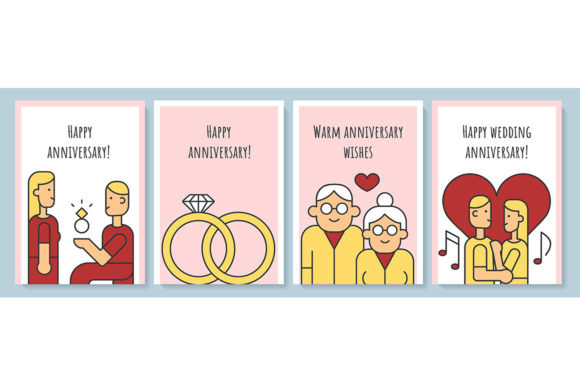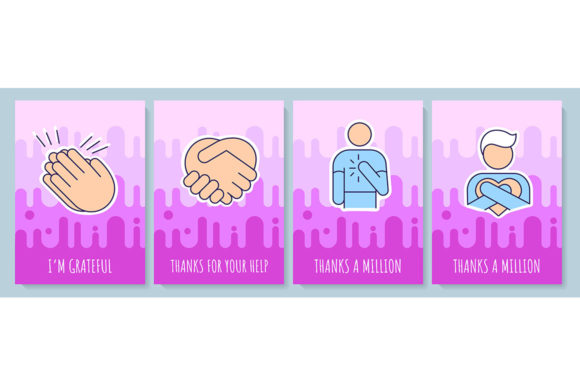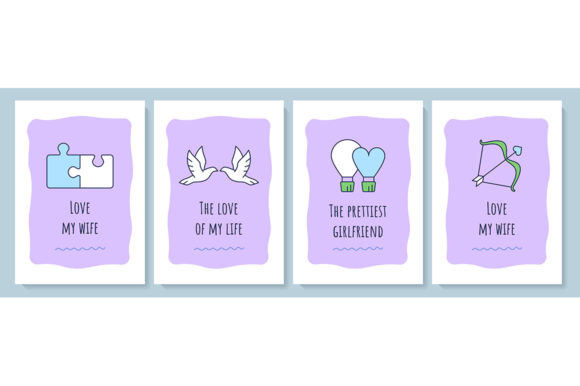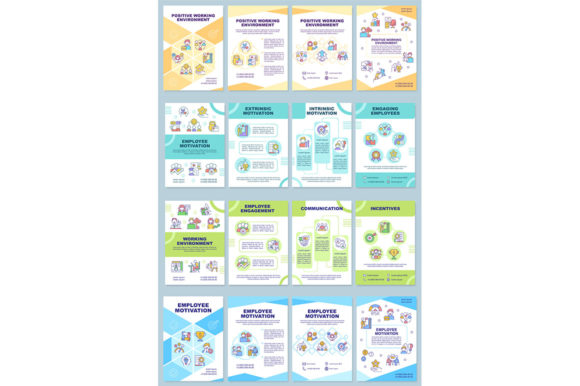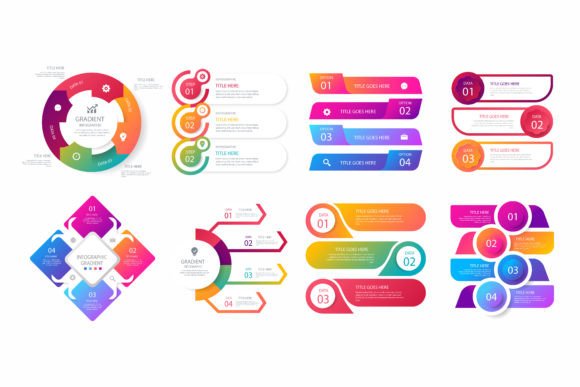
Infographic Element Vector Collection for Graphics and Graphic Templates
As a brand designer with years of experience in local business projects, I recently came across the Infographic Element Vector Collection. This graphic design asset immediately caught my eye for its versatility and clean, modern aesthetic. It feels like a perfect fit for small business branding, especially for businesses that want to elevate their visual presence without overcomplicating their design.
The First Impression: Clean, Modern, and Adaptable
The Infographic Element Vector Collection exudes a sense of clarity and professionalism. The elements are well-structured, with a balance between decorative and functional design. It doesn’t feel overly flashy or cluttered, which makes it ideal for brands that want to maintain a polished look while still standing out. This collection suggests a brand personality that’s both approachable and sophisticated—perfect for a bakery, coffee shop, or handmade soap business looking to build trust with their customers.
It has a modern design that can easily be adapted to various industries. Whether you're working on a food label, a product mockup, or a social media graphic, these vectors offer flexibility without sacrificing quality. The file formats included—SVG, AI, EPS, JPG, and PNG—make it accessible for different design needs, from digital to print.
Real Use Cases for Local Business Design
When I first saw the Infographic Element Vector Collection, I imagined how it could be used in real local business projects. For instance, a small bakery might use these elements to create eye-catching menu graphics or promotional flyers. A skincare brand could incorporate them into product packaging or thank-you cards to add a touch of elegance and consistency to their brand identity.
These vectors also work well for product labels, where they can serve as accents or background elements. They’re great for adding visual interest without overwhelming the main message. In a boutique store, they can be used for hang tags, stickers, or even seasonal campaign visuals to keep the brand's look fresh and engaging.
For a handmade soap business, the Infographic Element Vector Collection could help create printable inserts or packaging designs that align with their organic and artisanal image. The collection’s clean lines and minimalistic style make it suitable for both rustic and modern aesthetics, depending on how it’s applied.
Supporting Business Presentation and Brand Identity
One of the most valuable aspects of the Infographic Element Vector Collection is how it supports stronger business presentation. When used effectively, it helps create a more professional packaging design, which can significantly impact customer perception. A well-designed product label or packaging can increase product recognition and build trust with consumers.
It also enhances visual hierarchy, making it easier for customers to navigate through marketing materials or website banners. This is especially important for small businesses that need to communicate their message clearly and efficiently. The Infographic Element Vector Collection provides a consistent visual language that reinforces brand identity across all touchpoints.
For a food business, this asset can be used to create eye-catching social media graphics or promotional ads that stand out on crowded feeds. It can also be incorporated into web design or editorial design to give a more cohesive and professional look to digital content.
Where It Works Best: Brand Accents and Visual Enhancements
The Infographic Element Vector Collection shines when used as decorative brand elements. It’s ideal for product labels, packaging accents, or hero graphics that draw attention without overpowering the main content. These vectors can also be used in product mockups to showcase how a design would look in real-world scenarios.
They’re particularly effective for seasonal campaigns, where a fresh and festive look can make a big difference. A candle brand, for example, could use these elements to create holiday-themed packaging or social media graphics that align with the season’s mood.
For a home decor shop or a children’s product brand, the Infographic Element Vector Collection offers a way to add visual flair to business cards, stickers, or printable designs. It’s a versatile tool that can help small businesses create a more polished and cohesive brand image.
Where to Use It Carefully: Avoiding Overdesign
While the Infographic Element Vector Collection is highly adaptable, there are situations where it should be used with caution. In formal corporate branding, for instance, these elements may not align with the desired level of professionalism. Similarly, very small labels or crowded product packaging could make the design feel cluttered and hard to read.
In layouts that include a lot of text or legal information, the vectors might compete with the main content, reducing readability. Low-contrast backgrounds can also make the design less visible, so it’s important to test it in different contexts before finalizing a project.
For luxury minimalist brands, the Infographic Element Vector Collection may be too busy or ornate. In such cases, simpler design assets might be more appropriate. Always consider the brand’s voice and audience when deciding how to use these elements.
Practical Designer Notes: Testing and Licensing
As a brand designer, I always recommend testing any graphic design asset on real packaging mockups. This helps ensure that the design looks good in physical form and works well with the intended materials. It’s also important to check how the Infographic Element Vector Collection looks in black and white, as some clients may prefer monochrome versions for certain applications.
Previewing the vectors on small labels is another crucial step. If the design becomes too detailed or loses clarity at a smaller scale, adjustments may be needed. Testing the elements with different brand colors can also reveal how well they integrate with the overall color scheme.
Reviewing PNG transparency is essential if the design will be used on a variety of backgrounds. Checking SVG or vector editability ensures that the design can be customized as needed. It’s also a good idea to compare the vectors with different font styles—serif, sans serif, script, handwritten, or display fonts—to see how they interact visually.
Finally, always confirm the commercial license before using any design asset for client work, business branding, or physical product sales. The Infographic Element Vector Collection seems to offer a solid licensing model, but it’s always better to double-check to avoid any potential issues down the line.